
How the Raiders Scaled Sponsorships With a Fan-First Strategy and Trak Built for Fans. Backed by Operations.
Built for Fans. Backed by Operations.
The Las Vegas Raiders are known for doing things their own way, and that shows up in how they approach sponsorships. The goal isn’t simply delivering assets. It’s creating experiences that feel right for fans, supported by a sponsorship operation that can execute at a high level every time.
Trak helps power that work by giving the Raiders one place to plan, manage, and prove delivery, without relying on scattered spreadsheets, email threads, and mismatched file versions.
Partnership First, Always
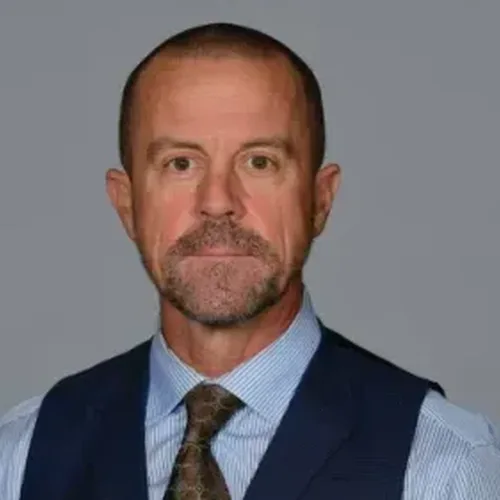
Sponsorship and corporate partnerships at the Raiders start with relationships. The team looks for partners they trust, partners they enjoy working with, and partners who want to build something together over time. Christian Howard, Vice President of Corporate Partnerships, summed it up this way:
People want to do business with people they like and people they trust. We want partners that we like and that we can take the journey with.
Christian Howard
Vice President of Corporate Partnerships
That mindset shapes everything, from who they choose to work with to how activations come to life. The Raiders don’t just sell space — they build programs that make sense for the brand, the team, and the fans in the building.
When Spreadsheets and Email Hit the Wall
Before Trak, the Corporate Partnerships team was working across spreadsheets, shared drives, and a platform that still created double work instead of eliminating it.
“We were using spreadsheets and shared drives... and then another platform that left us doing double the work. Manual errors. Old versions of attachments. We wanted more efficiency,”
Jamie Gary, Senior Manager of Corporate Partnerships Activation.
Most of the work lived inside email: deliverables, timelines, approvals, attachments, and constant updates. It became difficult to know what was current, who owned what, and what had already been delivered.
Gary described how Trak solved this problem:
“With Trak, it’s the ability to be self-sufficient. Our team and our partners have more bandwidth to focus on strategy and delivery, rather than follow-ups and administrative tasks. There’s a place for activation and inventory-related information, and everyone knows where to find it.”

A System That Fits the Raider Way
The Corporate Partnerships team didn’t go shopping for software. They were using what they inherited, even though it wasn’t working. It wasn’t until they attended an activation summit and saw Trak present that they realized there was a better option.
That discovery mattered, but what really sold them was how Trak felt in practice. The Raiders weren’t just looking for a new platform. They needed something partners would actually use.
From the external side it had to be simple to navigate, easy to read, and quick to process, because sponsorship tasks are only a small fraction of most partners’ day-to-day work.
Internally, the deciding factor was customization. The Raiders pride themselves on doing things differently, and Corporate Partnerships needed a system that could match that.
That flexibility shows up everywhere, from how tasks are structured to how dashboards and data panels are laid out, and even which information is visible to different users. When their needs shift, the expectation is that the system shifts with them.
And when it comes to partner buy-in, Gary focuses on usability.
“It’s very user friendly. It’s very intuitive, and it gives our partners the ability to find what they need without having to ask and wait for a response.”
Partners can quickly toggle between seasons, find what they need, and skip digging up old emails, recap decks, or files to answer basic questions. Instead, they can see performance details, photos, specs, and past uploads all in one place.
The shift is what “fits” the Raider way: less admin, less chasing, and more time spent building better ideas and better partner outcomes.

Rolled Out for Real Adoption
The Raiders didn’t treat onboarding like a software switch-flip. They treated it like an activation: test it, tune it, then scale it. After a tough rollout with a previous platform, Gary built a plan that avoided the same mistakes and made adoption feel natural for both partners and the internal team.
Trak helped from the start by meeting the Raiders where they were. Instead of forcing a rigid process, the platform was flexible enough to mirror how the Raiders already operate, which made it easier to introduce without friction. The team could set up the experience in a way that felt clean on the partner side and practical on the fulfillment side, so partners weren’t overwhelmed and the Raiders weren’t stuck translating their workflow into someone else’s system.
They began with a soft launch using a small set of high-usage partners, gathered direct feedback on what was clear versus what wasn’t, and how the experience looked and felt, then adjusted before rolling it out more broadly.
When it was time to expand, they made onboarding easy to say yes to. They hosted multiple training options (three to four sessions) so partners could pick what fit their schedules, and Trak’s CEO led the training, which helped build confidence and drive buy-in early. They even ran promotions to boost attendance and onboard more partners into the platform quickly.
Timing mattered too. The Raiders launched at the beginning of their fiscal year, when things reset and the pace was slower, giving everyone time to learn the system, build habits, and work out any wrinkles before the heavy delivery season hit.
And Trak didn’t disappear after kickoff. The Raiders had continued support, quick answers when questions came up, and a clear path to keep improving how partners used the platform. Internally, Gary reinforced adoption with team trainings, SOPs built with their revenue planning and analytics group, and office hours so there was always a place to go for help.
The result was what you want from onboarding: fewer confused partners, fewer internal fire drills, and a rollout that felt smooth, organized, and sustainable.
Data That Updates Itself
On the data side, the Raiders didn’t want “another system to feed.” They wanted Trak to stay current automatically, without creating ongoing work for the business or the data team.
Adam Rockett, Senior Data Engineer, helped set up that pipeline early on. After an initial working session to define what Trak needed, he delivered the necessary data file, and the rest of the automation fell into place quickly. From there, it’s been mostly hands-off.
Today, the Raiders send a daily CSV of deals and line-item inventory (thousands of rows per file). The file is transferred via SFTP from Azure Blob storage into Trak’s S3 bucket. Trak then ingests that data to create and update inventory automatically, including assigning items to the right rep.
The best part is what doesn’t happen: manual updates, constant check-ins, or ongoing maintenance work.
As far as what I do at this point, it’s pretty minimal. Now it’s just been maintaining it. Our integrations are fairly seamless.
Adam Rockett
Senior Data Engineer

And when the Raiders need to adjust, like adding a new field, updating a deal stage, or loading deals before contracts are fully signed, it’s easy to adapt without rebuilding the whole process.
Less Chasing. More Delivering.
With Trak in place, the Raiders changed how sponsorship work gets done. Admin work dropped, visibility improved, and partners became more self-sufficient.
Over 5,000 tasks completed. More than 100,000 partner notifications.
Provided by Trak Software Data Team
Always Current, Even at Scale
The Raiders load sponsorship data daily. That means thousands of deliverables and inventory items stay up to date without someone manually chasing updates. As the team adds more deals each year, the process scales right along with it.
Flexible Enough for Real-World Deals
Sponsorship doesn’t always move in neat, final form. Deals evolve. Stages change. Trak supports these realities without forcing the team into individual workarounds.
“The flexibility of it is nice,” Rockett said. “It’s pretty easy if we need a new field added… it’s always been really easy to add that ourselves.”
Fan-First Ideas, Executed Cleanly
Trak doesn’t replace strategy. It supports it by making execution consistent and visible, so the team can focus on creating better experiences instead of managing chaos.
Howard shared an example from the Raiders’ beer sponsorship approach:
"When we opened the building, we looked at the beer category and said, ‘Forget about money for a minute. What’s best for the fans?’ We decided the best fan experience was two beer partners, a domestic and an import, because it gives people more choice. Could we have made more money with one exclusive deal? Maybe. But it wouldn’t have been a huge difference, and it would’ve limited the experience. Fans don’t want to walk up and realize, ‘I only have this beer… I kind of wanted that.’ Trak helps us execute that strategy."
Visibility Without Extra Reporting Work
From Rockett’s perspective, the team hasn’t needed to build a separate reporting layer on top of Trak. No one has asked his team to pull Trak data out for external dashboards, which suggests the operational visibility inside Trak has been sufficient for how the group works today.

Not Just Fulfillment. Something Fans Feel.
The Raiders approach partnerships as a craft – built on creativity and collaboration, not just a checklist, and they hold themselves to a high standard on delivery. Trak helps the Raiders stay organized, consistent, and scalable while keeping the focus where they want it: on building partner programs that feel intentional and fan-first.
We’re not here to check boxes, we’re here to create something special. And Trak helps us do that.
Jamie Gary
Senior Manager, Corporate Partnerships Activation
